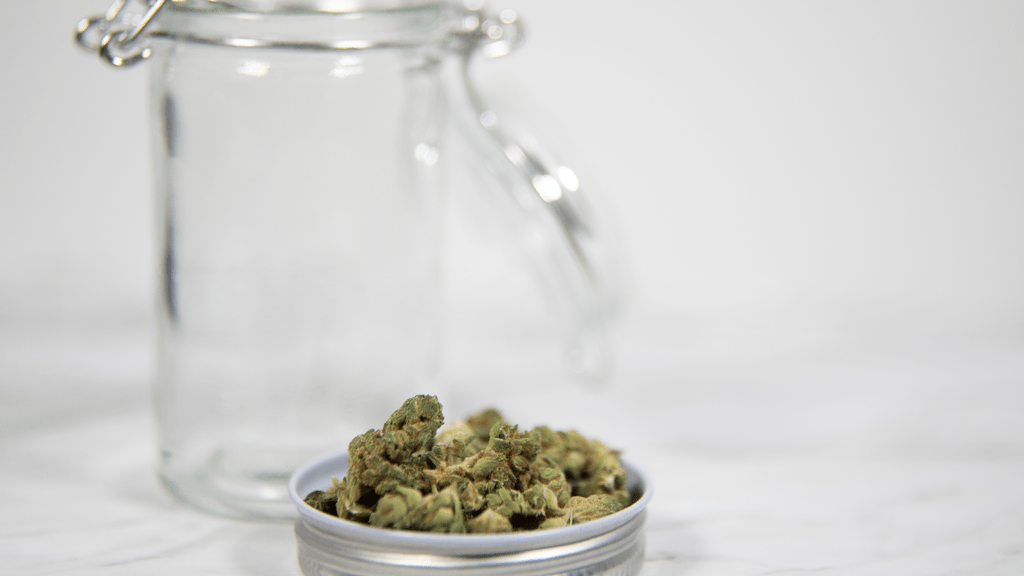
In Fort Myers, it’s becoming normal to hear seniors swap notes on a low-dose gummy for sleep, a tincture for evening nerve pain, or a topical for stiff knuckles after gardening. This isn’t just a Southwest Florida anecdote—older-adult cannabis use has been climbing nationally, and many seniors say they’re using it for health reasons, not recreation. In a 2025 JAMA Network Open study focused on older adults, a substantial share of participants reported medical cannabis use, with pain the most commonly cited reason, followed by mood and sleep.
Why Fort Myers seniors are turning to medical cannabis
For many older adults, the interest starts with day-to-day conditions that don’t always respond well to “standard” options: arthritis, chronic back pain, neuropathy, insomnia, and anxiety. Some seniors are wary of long-term opioids, while others want to avoid the next-step sedatives that can increase fall risk or leave them groggy. Observational research on medical cannabis patients suggests people often report improved health-related quality of life over time, but it also emphasizes that side effects are common—so expectations and monitoring matter.
Sleep is another big motivator. In geriatrics-clinic research, older patients described using cannabis for sleep disturbance in different forms (including oils/tinctures and edibles), typically through trial-and-error to find a routine that supports falling asleep or staying asleep.
What “medical cannabis” looks like in Fort Myers
In Florida, seniors don’t just walk in and buy cannabis legally without steps. Most follow a clear pathway:
- See a Florida “qualified physician” who evaluates whether cannabis is appropriate.
- Get entered into the state registry (Florida’s Medical Marijuana Use Registry).
- Purchase from a licensed Medical Marijuana Treatment Center (MMTC).
Florida’s official program guidance stresses that the physician must determine the medical use would likely outweigh potential health risks for that patient.
Inside dispensaries, many seniors prefer non-inhaled products, especially those concerned about lung health or who simply want more consistent dosing. Common choices include:
- Low-dose edibles (often 2.5–5 mg THC per serving) for nighttime routines
- Tinctures for easier “dial-a-dose” adjustments
- Topicals for localized aches (often with minimal intoxication)
How seniors tend to use it more safely
Older adults can be more sensitive to THC, and many take medications that may interact with cannabis (especially sedatives and drugs affecting balance or cognition). That’s why clinicians commonly recommend a cautious approach: start low, go slow, and avoid combining THC with alcohol or other sedating substances.
A simple, senior-friendly strategy is keeping a two-week log: product type, dose, time taken, and what changed (pain score, sleep latency, nighttime wake-ups). It gives the physician something concrete to adjust rather than guessing.
Finally, there’s driving. THC can impair reaction time and judgment even when someone feels “fine,” and Florida impairment laws still apply regardless of medical authorization. The safest habit is to treat THC like any intoxicating medication: don’t drive until effects are clearly gone.
The takeaway
For many Fort Myers seniors, medical cannabis is becoming a practical tool—especially for pain and sleep—when used with realistic expectations, careful dosing, and regular check-ins with a qualified clinician. Done thoughtfully, it can fit into a broader wellness plan rather than replacing it.